
Healing Through Playtime
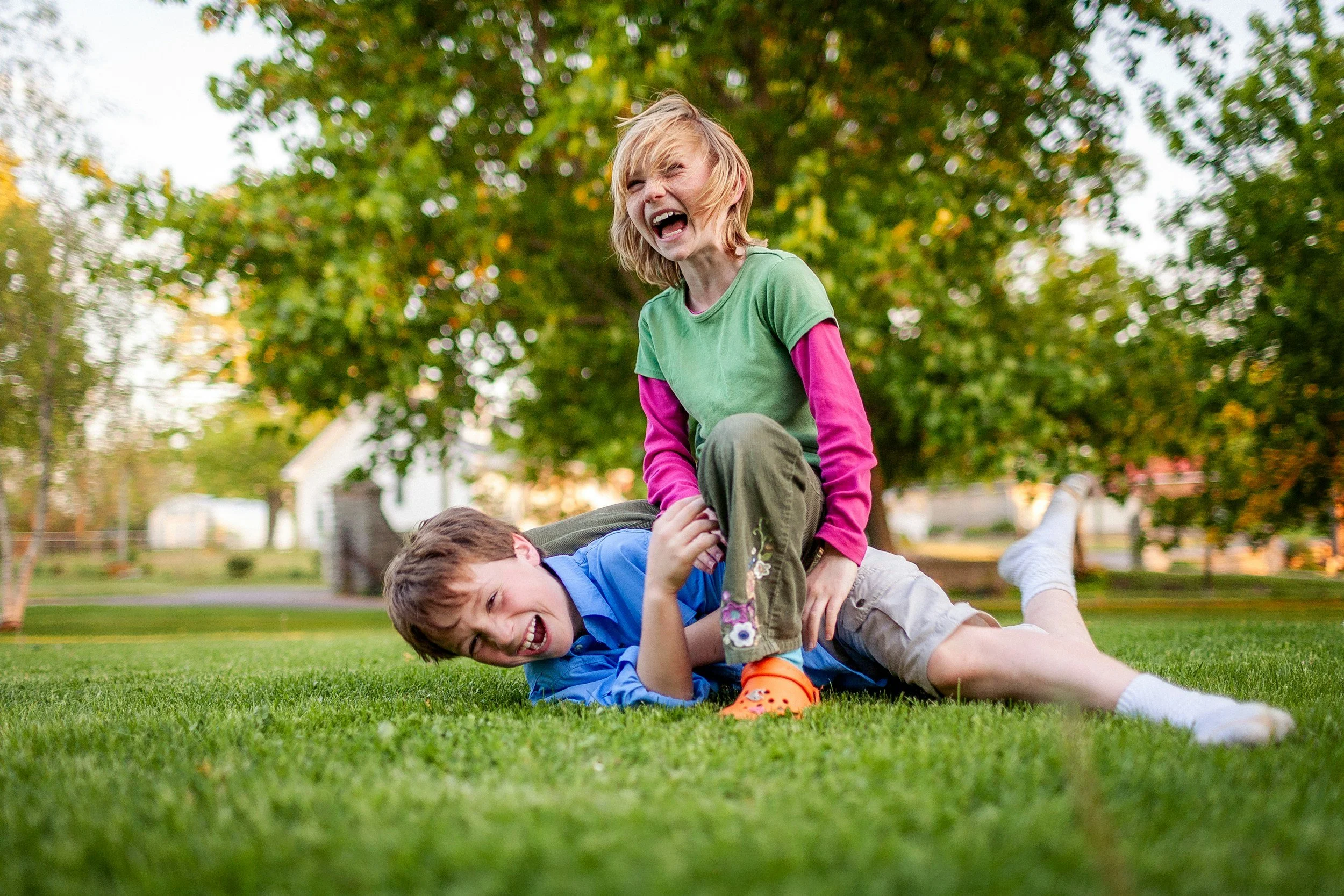
Play therapy is a world where play meets healing. Traditional psychotherapy usually involves verbal processing in addition to other interventions, hence the name “talk therapy”. However, when working with children, it is important to consider their developmental stage.
Depending on age, young children simply do not have the emotional, cognitive, or linguistic capabilities required for talk therapy. Therefore, it is essential that the therapeutic modality meets their needs and where they are developmentally.
Why play therapy?
The answer is simple: safety. Play therapy feels safe for children. It’s a familiar method of expression. Play is the language of a child. Children naturally express themselves through play. Engaging with toys, stories, and imagination creates a safe distance from the struggles they’re experiencing, allowing them to explore difficult emotions without becoming overwhelmed.
A misconception I often hear is that play therapy is “just playing”. However, the science behind this modality shows how effective it is for children. For example, play therapy facilitates the brain’s natural ability to reshape itself, helping children rewire their brains for better emotional regulation and resilience.
Through play therapy, children build resilience, learn problem-solving skills, creativity, and, most importantly, learn skills to navigate emotional challenges. In a supportive and safe environment, play therapy allows children to heal and grow.
Some of the techniques we use during play therapy sessions include:
1. Sand tray therapy
Through sand play, children create relevant scenes to process and express emotions
2. Puppet play therapy
This is a safe way for children to act out scenarios and process social situations and emotions.
3. Art therapy
This is a non-verbal method to express complex emotions through drawing, painting, and many other expressive art forms.
4. Storytelling and role play
This allows children to explore personal experiences and construct problem-solving skills.
5. Board games and structured play
Children learn social reciprocity, emotional regulation, problem‑solving, and adaptive coping skills.
Roubicek & Thacker Counseling is Fresno’s premier provider of individual, couples, family, and group therapy. We offer in-person and online remote therapy sessions. Contact us today to change the way you feel.
